We’ve investigated campus safety at many schools around the country, and the biggest culprit of situations gone awry seems to be neglecting common sense. Some students will forever turn a deaf ear to advice about not walking alone at night, reporting suspicious behavior, and being aware of their surroundings. Those who attend MIT aren’t lacking in common sense, though. In fact, they’re some of the brightest pupils in the world, a fact that’s backed up by the university’s highly selective admissions process (the undergraduate student body was approximately 4,500 in 2014).
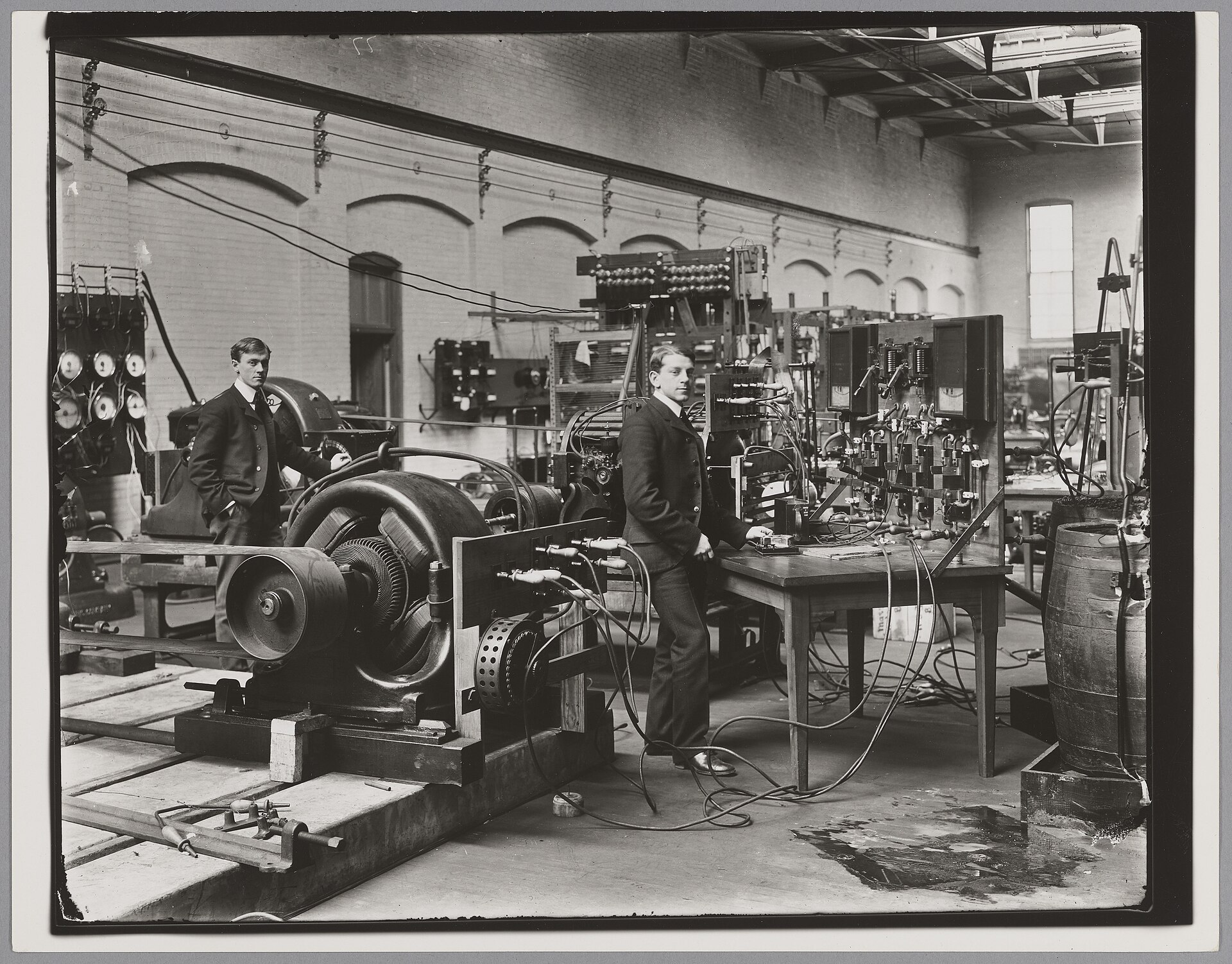
The renowned university, which is noted for its leading research in physical science and engineering, has some tried-and-true safety protocols in place. Even spillover crime from Boston’s bordering neighborhoods is kept to a minimum. Read on to see why Cambridge is a safe place to learn, laugh and maybe even make some academic history; the school did produce 84 Nobel laureates after all.
Despite being situated within Boston’s Kendall Square, MIT is very much a self-contained campus. It’s secured by a dedicated police department. There’s also the Crime Prevention Unit, which meets at the beginning of each school year to distribute information on safety to incoming students. Rape Aggression Defense classes, otherwise known as RAD, are offered to the community as well. Students say one of the reasons they feel so secure on campus is because of how visible the police force is.
They’re often seen patrolling areas late at night, good news for those who log more than a few hours at the lab, and are always happy to provide a lift home. MIT itself runs a shuttle service after 6 p.m. for those who don’t want to walk alone. Emergency blue light systems are installed around the grounds for those on foot; help is called with just the push of a button. Surprisingly, some colleges have a police department that’s hard to summon. Mascot Tim the Beaver and his loyal academic types agree that MIT responds quickly and efficiently.
We scanned MIT’s 2015 crime report, and it supported the claims of there being very little crime on the campus. The most common infractions were for underage drinking. There were no hate crimes, which ties into our recent article LGBT Students Receive a Warm Welcome at MIT on MIT being very welcoming of LGBT students. Burglary is the most common offense. Students insist that backpacks, bikes, computers and other expensive belongings should be kept close or secure at all times. There were seven accounts of rape within the residence halls, troubling to say the least. MIT does keep its dorms very locked down, with mandatory keycard entries and personnel always around. Nonetheless, MIT has very little crime on paper when compared to other universities.
MIT students are often an intellectual group of self-proclaimed “science nerds”, which is perhaps why incoming students don’t even give safety a second thought. However, this stereotype can paint students as a target to criminals from bordering parts of the city. Employing common sense and taking advantage of university resources are enough to feel secure on this campus. It has so much to offer in terms of academics and nearby entertainment. Don’t believe us? Here’s five things you must do at MIT.
Ryan James is a ’13 alumnus of Ohio University’s College of Arts & Sciences with a bachelor’s degree in writing and media. He currently works as a copywriter for a Fortune 500 e-commerce corporation based in Columbus, OH.
Key takeaways
- MIT's undergraduate student body was approximately 4,500 in 2014, and the school has produced 84 Nobel laureates.
- A dedicated police department secures the self-contained campus, and the Crime Prevention Unit meets at the start of each school year to share safety info with incoming students.
- Rape Aggression Defense (RAD) classes are offered to the community, and students say how visible the police force is is a big reason they feel secure.
- MIT runs a shuttle after 6 p.m., police patrol late at night and give lifts home, and emergency blue light systems let you call for help with the push of a button.
- MIT's 2015 crime report showed very little crime, with underage drinking and burglary the most common infractions and no hate crimes reported, though there were seven accounts of rape in the residence halls.
Frequently asked questions
- How many undergraduates attended MIT in 2014?
- MIT enrolled approximately 4,500 undergraduate students in 2014.
- What safety classes does MIT offer?
- Rape Aggression Defense classes, otherwise known as RAD, offered to the community, plus Crime Prevention Unit briefings for incoming students.
- What did MIT's 2015 crime report show?
- Very little crime on campus; the most common infractions were underage drinking and burglary, and no hate crimes were reported.
- How does MIT help students get home late at night?
- A university shuttle service runs after 6 p.m., police patrol areas late at night and provide lifts home, and emergency blue light systems are installed around the grounds.
- How many Nobel laureates has MIT produced?
- MIT has produced 84 Nobel laureates.
- Why do MIT students say they feel secure on campus?
- Because of how visible the police force is; officers patrol areas late at night, always happy to provide a lift home, and respond quickly and efficiently.
- How does MIT keep its dormitories secure?
- The dorms are very locked down, with mandatory keycard entries and personnel always around, which helps limit trouble given the seven accounts of rape within the residence halls in the 2015 report.
Sources
- MIT, school site (linked in the original post)
- MIT Police 2015 security report (linked in the original post)