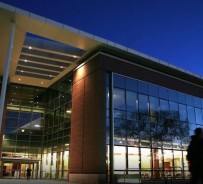
If you’re pursuing a Jesuit education, you might have learned a lot about food quality and the LGBT community from our articles on Fordham University, a private New York institution that’s rooted in Roman Catholic teachings. If that school just wasn’t for you, then Loyola University Chicago could be your next best bet. Its six campuses span the Chicago metropolitan area, and not unlike Fordham, it was founded by The Roman Catholic Society of Jesus in 1870 under the name St. Ignatius College.
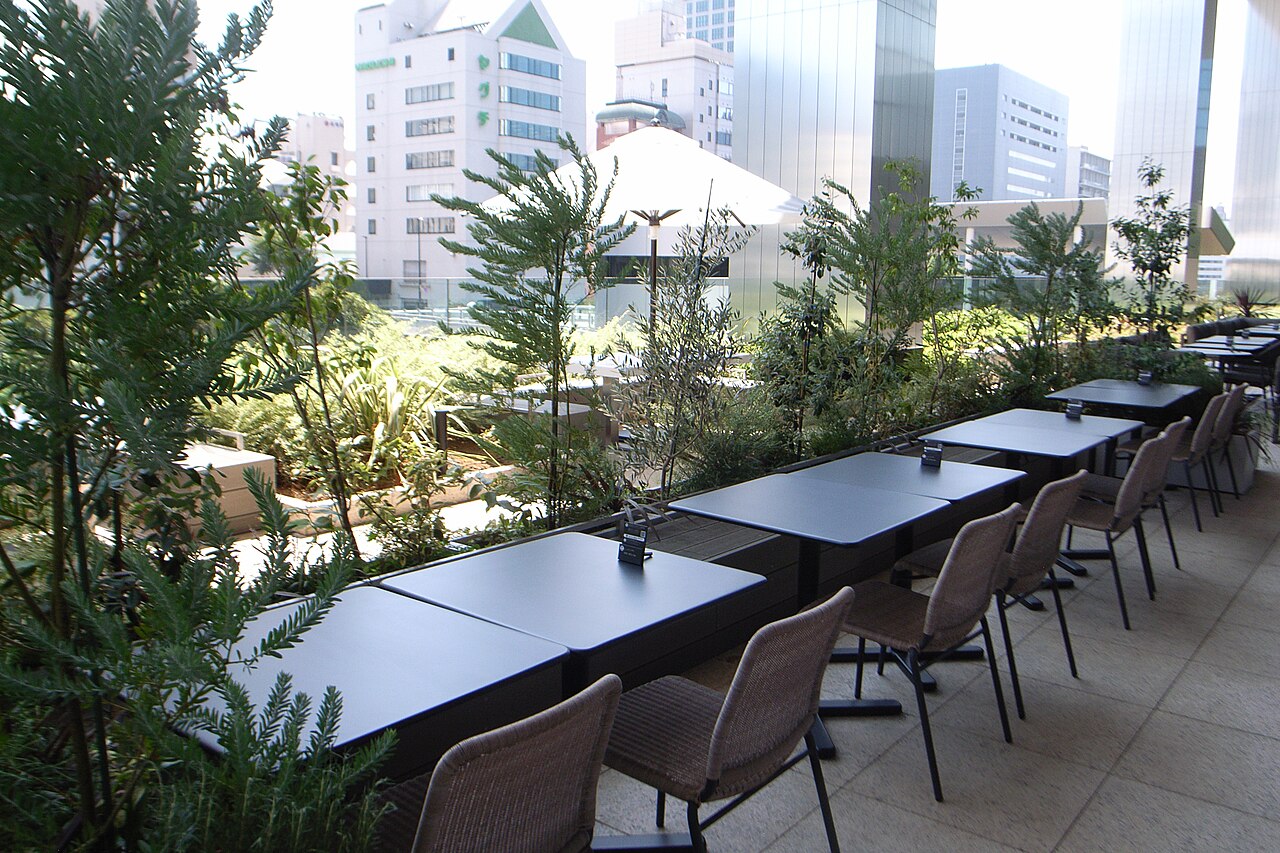
Prospective students know that its twelve revered undergraduate schools and Division I sports teams aren’t anything to balk at, but what about the food? We’ve discovered that dining options, not to mention quality, are a great source of stress for budding scholars who’ve grown accustomed to those home-cooked dishes and favorite restaurant spots. Our findings tell us that there’s nothing to fear, but there’s also not much to rave about either. Read on for the good, the bad, and the occasionally delicious.
As a private school with full-time tuition hovering around $44,000 a year, some above-average amenities are to be expected. Other schools that we’ve detailed clearly lack the budget, staffing, and even information to invest in sustainable dining programs. We’re pleased to see that Loyola has incorporated the following practices into their dining offerings:
- Local purchasing: Loyola sources some of their ingredients from local farmers, growers and distributors (availability and seasonality are, of course, factors here).
- Recycling: To reduce their carbon footprint, there are signs in every dining hall that tell students where and how to recycle.
- Tray-free dining: We’ve noticed that many schools have gone tray free in the past five years. Loyola has been since 2010, and they hope the switch continues to minimize waste, conserve energy, and reduce the amount of cleaning chemicals that enter the waste stream.
- Reusables: A reusable mug program comes with a budget-friendly discount on fountain drinks and coffee at various places on campus.
- Fryer oil recycling: Now this one is just downright impressive. 100% of all fryer oil that’s used by dining services gets recycled and reused by organizations on campus.
- Hydration stations: These special stations located throughout the school grounds use filtered water to refresh and refuel busy students.
- Green cleaning: Eco-conscious cleaning materials are used at all dining locations to promote a healthy, safe environment.
- Energy and water conservation: All employees are trained on ways they can conserve natural resources in their day-to-day roles.
If you’re interested in Loyola University Chicago, check out the LGBT Community at Loyola University.
With so many positive attributes, what could be improved upon? Students say that they appreciate the level of cleanliness and professionalism of employees, but the actual food leaves a lot to be desired. Typical dining fare like buttered noodles, pizza, and sandwiches is shrugged off for being repetitive and hard on the stomach. The standard meal plan halls also lack healthy vegetarian and vegan options (not every school can be Stanford). Thankfully, there is hope in the form of flex dollars.
These meal plan add-ons can be used at specialized dining locations on campus, and one sophomore student praised one such place called Engrained for its organic, local ingredients, healthy yet delicious menu and superior coffee. Still, at roughly $4,790 per year, the meal plan should afford students on the more traditional plans something they can look forward to eating. Prospective students with certain dietary restrictions or those who just place a high value on food quality might do well to look elsewhere. The initiatives are there, as is a friendly staff, but what it comes down to is this: the university has yet to develop their own in-house recipes and intuitive chefs, settling instead for a service company. This too-common problem leads to what students perceive as “bland and tasteless” food when consumed on a regular basis. We’d consider this school a 50-50 option, with a lot to love and a lot to raise eyebrows over.
Ryan James is a ’13 alumnus of Ohio University’s College of Arts & Sciences with a bachelor’s degree in writing and media. He currently works as a copywriter for a Fortune 500 e-commerce corporation based in Columbus, OH.
Frequently asked questions
- What sustainability practices does Loyola Chicago dining use?
- Local purchasing, recycling signage in every dining hall, tray-free dining, a reusable mug discount, 100% fryer oil recycling, hydration stations, green cleaning materials, and employee conservation training.
- How much of Loyola Chicago's fryer oil is recycled?
- 100% of the fryer oil used by dining services is recycled and reused by organizations on campus.
- When did Loyola Chicago go tray-free?
- 2010, to minimize waste, conserve energy, and reduce the cleaning chemicals entering the waste stream.
- What is Engrained at Loyola Chicago?
- A specialized campus dining location that flex dollars can be spent at, praised by a sophomore for organic local ingredients, a healthy yet delicious menu, and superior coffee.
- What is the verdict on Loyola Chicago's food?
- A 50-50 option: sustainability initiatives and friendly staff, but settling for a service company instead of in-house recipes leads students to perceive the food as bland and tasteless.
Sources
- Loyola University Chicago, official site (linked in the original article)