Princeton University, an Ivy League institution founded in 1776 as one of the nine pre-American Revolution colleges, has expanded quite dramatically since its formative years. By just how much, you might be wondering? Well, its beautiful suburban campus comprises roughly 5,300 top-notch undergraduates who come from all over the country for its revered academic departments. As with any university that places an emphasis on the humanities and freethought, the student body is, not surprisingly, a diverse and eclectic one.
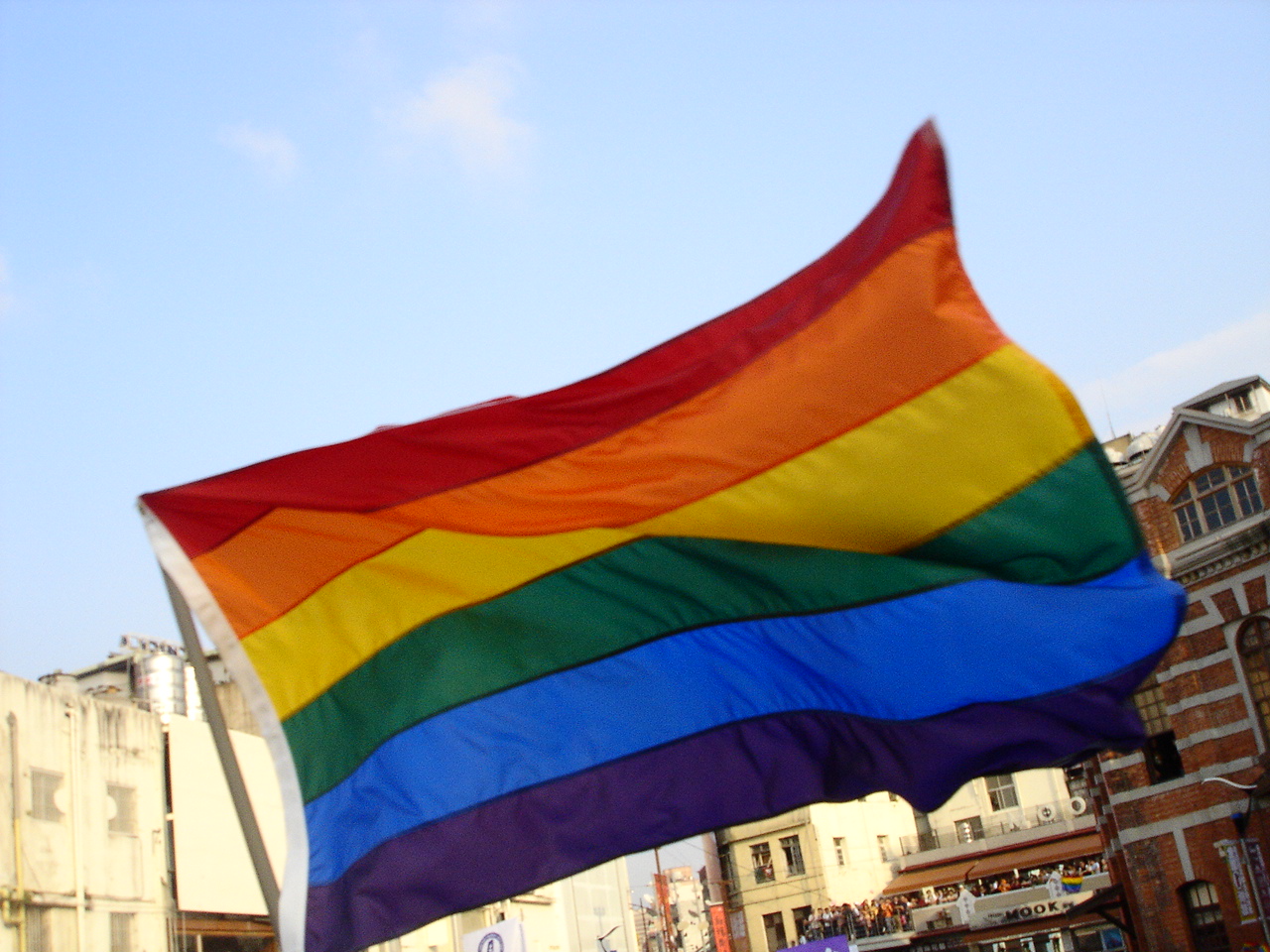
In fact, The Advocate College Guide for LGBT Students ranked it among the Top 20 most accepting campuses based on criteria like faculty support, organizations, caliber of LGBT programming, non-discrimination policies, and more. Here are some of the reasons why this acclaimed place of higher education is an ideal place to be yourself.
Princeton was one of just two Ivy League schools included on this list; state and local ordinances may partially be to blame. New Jersey, alongside a mere 16 other states, has an Anti-Discrimination Law that protects students on the basis of sexual orientation. There are also current bills making their way through the system that would include gender identity and expression. Princeton officials have said themselves that based on forums with their LGBT students, they’re striving in their own ways to be accommodating of transgendered individuals. The All-Ivy Drag Show is one event the university hosts to recognize and bring visibility to the group on school grounds. Additionally, hate crimes in this state include those motivated by sexual orientation, an unjust gray zone in other regions.
If you liked this article, check out Campus Food and Student Health at Princeton University.
Some institutions lack acknowledged organizations for LGBT students, along with the specialized faculty members to advise and mentor them. Thankfully, Princeton is staffed with a director, administrative assistant and graduate assistant. Support from elsewhere within the faculty is just as overwhelming. Believe it or not, former president Shirley M. Tilghman was even a judge for the aforementioned drag show. Officials have made it a point not to make any reference to sexual orientation in admissions literature, health care forms, human resources, or publications for alumni.
And there’s historical backing for that stance: they were indeed the second university in the country to add sexual orientation to their non-discrimination policy, in 1985. In short: Princeton has long upheld the rights of all its students.
Current scholars will find invaluable resources housed within the LGBT Center, which has a lending library, study spaces, lounge, and workspace with essential equipment for affiliated organizations. Much of the work that fills a programming calendar with two to three events a week is completed here. The classroom doesn’t shy away from the discourse, either, with renowned scholars offering lectures aplenty on queer theory in the department of Women and Gender Studies.
Princeton just so happens to have the first program in the country offering an LGBT postdoctoral fellowship, and pupils regularly attend conferences like the National Gay and Lesbian Task Force’s Creating Change conference. Beyond graduation day, alumni stay in touch through the Fund for Reunion. This association, marked by its soaring endowment and far-reaching active members, is solely for the LGBT community. Social mixers hosted in a variety of cities are just one of many perks offered.
Students who identify as members of the LGBT community are welcomed with open arms and showered with resources at this celebrated Ivy League university. As one student said to prospective students on the LGBT Center’s official page: “I think the existence of the LGBT Center, the Pride Alliance, and other LGBT groups are factors that make me feel welcome on this campus. I also see ally pins and ally signs everywhere I go, including dorms, administrative offices, and the health center.”
Ryan James is a ’13 alumnus of Ohio University’s College of Arts & Sciences with a bachelor’s degree in writing and media. He currently works as a copywriter for a Fortune 500 e-commerce corporation based in Columbus, OH.
Frequently asked questions
- Where did Princeton rank for LGBT acceptance?
- The Advocate College Guide for LGBT Students ranked Princeton among the Top 20 most accepting campuses, based on criteria like faculty support, organizations, caliber of LGBT programming, and non-discrimination policies. It was one of just two Ivy League schools on the list.
- When did Princeton add sexual orientation to its non-discrimination policy?
- In 1985, making it the second university in the country to do so.
- What is the Fund for Reunion?
- Princeton's alumni association solely for the LGBT community, marked by its sizable endowment and far-reaching active members. Social mixers hosted in a variety of cities are one of many perks.
- What does the Princeton LGBT Center house?
- A lending library, study spaces, a lounge, and workspace with essential equipment for affiliated organizations. Much of the programming calendar of two to three events a week is completed there.
Sources
- Princeton University, the school site linked in the original post