Financial aid: some can’t live with it, and some can’t live without it. Here is a five-step guide to getting your financial aid at UMass Amherst.
1.) What You’ll Need
If you are like many U.S. first-year students, you will be applying for FAFSA (Free Application for Federal Student Aid). Most loans and grants require you to fill out the FAFSA to be considered for any aid. This also rings true for any loan or grant you will be applying for at UMass, and thus it is imperative to fill out this form on time.
The eligibility requirements for FAFSA are to be a part-time (6 credits) or a full-time (12 credits) student at UMass (although certain loans/grants require you to be a full-time student), to be a U.S. citizen admitted into a degree-granting program, and to maintain good grades, which generally means a 2.5 GPA.
2.) What You Need To Know
It’s probably a good idea to know what exactly UMass is looking for in terms of dishing out financial aid. I was mainly confused during this whole process, and if I had paid a bit more attention or known what they were calculating, it might have made my experience as pleasurable as these things can actually be. Essentially, to calculate your financial aid award they are looking at your COA (cost of attendance) and your EFC (expected family contribution).
What COA entails is the amount UMass estimates that it should cost for you to attend the University for that year. You must also know that if you accept any extra loans, grants, or scholarships, UMass will adjust the amount of your award, if granted. Financial aid will also be adjusted if you are planning to study abroad, and I highly recommend at least one semester abroad!
3.) What You Need To Do
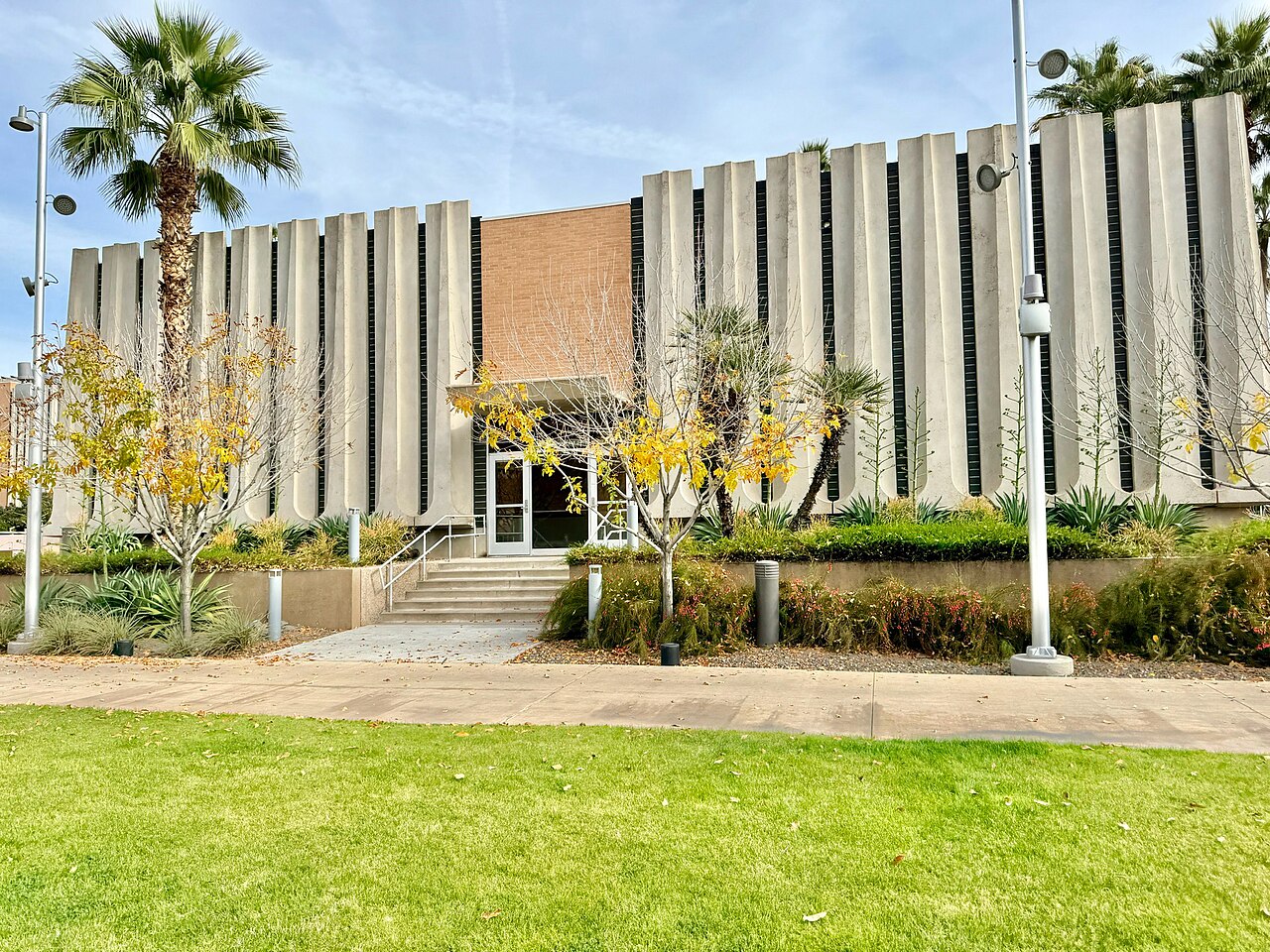
Primarily, you want to get to know Whitmore: this is the building where the Financial Aid office is located. Apply for your FAFSA ON TIME! That is really important because you will only be considered for certain loans/grants and not the whole lot that would otherwise have been available to you.
You also want to report everything properly and promptly, including parents’ tax refunds and income (or lack thereof), and submit all necessary paperwork within 60 days of beginning your case. And lastly, if you are granted a financial aid award, you will need to sign and return your promissory note, or your award will be null and void.
4.) Types of Aid Available
UMass Amherst has a mass (pun intended) of loans, grants, and scholarships available to you; all you have to do is take advantage of these opportunities. Here are the types of financial help you can look to receive from UMass. Federal Pell Grants are for those going for their first Bachelor’s degree and can be either part-time or full-time students; Federal Supplemental Educational Opportunity Grants (FSEOG) are the same as the Federal Pell Grant, with the only difference being that this grant is geared towards students who have a very low Estimated Family Contribution.
The Mass-grant Program is only for full-time students who are Massachusetts residents seeking their Bachelor’s degree. There is also the TEACH Grant, which provides up to $4,000 for students planning to become teachers after graduation; Work Study, which is my favorite, is part time and/or seasonal employment for students who qualify for financial aid.
5.) The Financial Aid Office Experience
Walking into the Financial Aid office is much like entering the DMV. The office is usually always busy, especially during FAFSA season. There are a few clerks to assist you; you must take a number and wait; and once your number is finally called, the clerks seem disinterested because they have a slew of people waiting to be seen. My advice would be to set up an appointment with an advisor; they are super friendly and always ready and willing to help!
Financial Aid doesn’t have to be a scary process. Just make sure you are prepared, and set up an appointment with an advisor in the Whitmore building. With the knowledge you now possess about financial aid, there’s no way you won’t get your proper piece of the pie.
You may receive refunds before you graduate, and you might be thinking of how to make use of that money. Refunds may be all yours to use, thus make it worthwhile before you graduate.
Sue Callender graduated from the University of Massachusetts Amherst in 2011. She received a Bachelor of Arts in Communication with a specialization in cultural studies and media analysis.
Frequently asked questions
- What are the FAFSA eligibility requirements at UMass Amherst?
- You must be a part-time (6 credits) or full-time (12 credits) student at UMass, a U.S. citizen admitted into a degree-granting program, and you must maintain good grades, which generally means a 2.5 GPA.
- How does UMass Amherst calculate a financial aid award?
- The office looks at your COA (cost of attendance) and your EFC (expected family contribution). Accepting extra loans, grants, or scholarships can adjust the award, as can studying abroad.
- Where is the financial aid office at UMass Amherst?
- The financial aid office is in the Whitmore building at UMass Amherst.
- What types of financial aid does UMass Amherst offer?
- Federal Pell Grants, Federal Supplemental Educational Opportunity Grants (FSEOG), the Mass-grant Program for Massachusetts residents, the TEACH Grant of up to $4,000 for future teachers, and Work Study employment.
Sources
- University of Massachusetts Amherst, the university site linked in the original post